
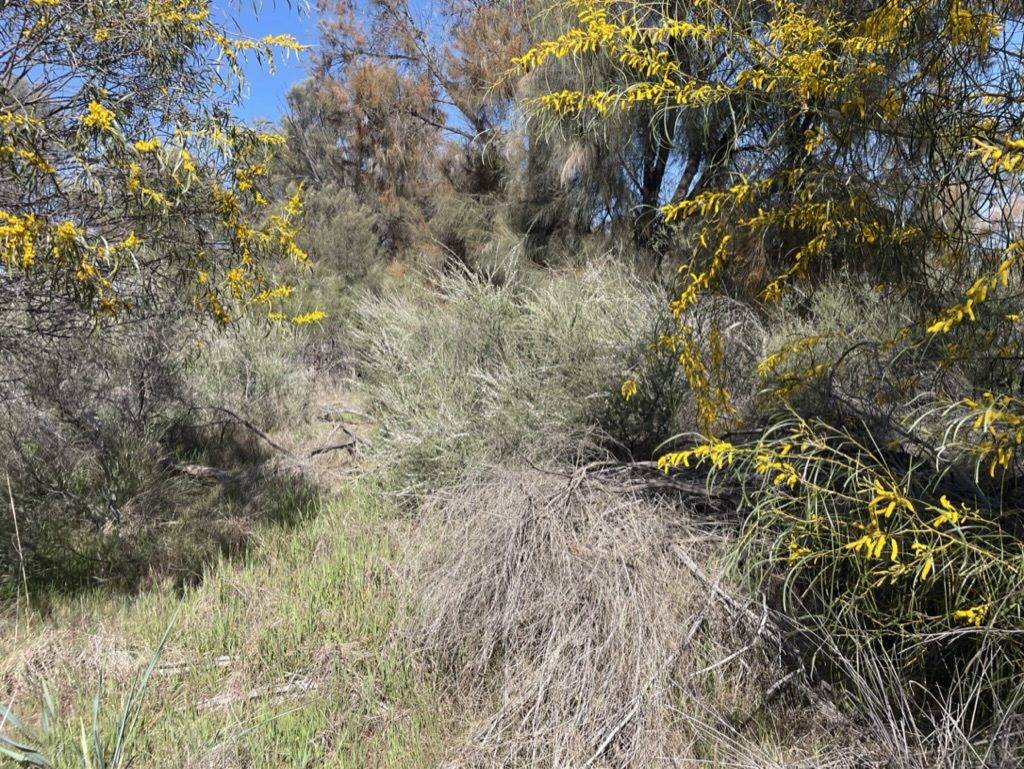


“Our vision is to populate the Lemonade Valley planting area with native, mixed tree and understory species such that it connects all native vegetation areas into a continuous, healthy ecosystem across the Title and (re)introduce native fauna”
The rapid development of Western Australia’s wheatbelt for agriculture over the past century has created a productive farming landscape, but one that is increasingly subject to degradation. Erosion, salinisation, declining soil structure and acidification are all symptoms of this degradation and causes of lost agricultural production. Furthermore, most of the native vegetation and many of the native animals have disappeared and the natural heritage of the area resides in scattered patches that together make up less than 10% of the wheatbelt region.*
*Source: Revegetation Guide to the Central Wheatbelt, Dept. of Agriculture WA, Bulletin 4231, 1991
Our aim is to reverse many of the land degradation processes on the Property through revegetation, which has benefits in the following areas:
In order to make the revegetation economically viable we are undertaking the planting as a carbon farming project. In the mixed species planting we are also including a plant species, Leptospermum Nitens, from which bees generate bio-active honey. Our goal is to have a carbon farm based on mixed-species native trees and produce honey from those trees.
If we can demonstrate that this is a viable economic model it may encourage other landholders to do the same. This could provide farmers with an alternative income stream from revegetated, poorer agricultural land that benefits productivity of adjacent prime agricultural land and increase the native vegetation and habitat.
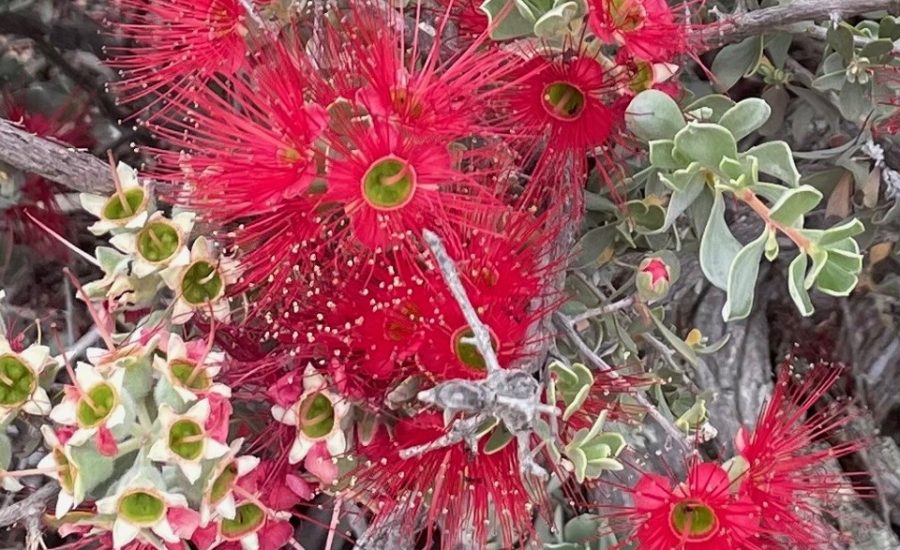
The beauty of the Leptospermum Nitens, which we include in the planting, is that they are native and unique to the central Wheatbelt of Western Australia. They are from the same group as the more widely known Manuka trees (Leptospermum Scoparium) that underpin the Manuka active honey industry.
Clusters of naturally occurring trees (or wildstands) of Leptospermum Nitens and some trial plantings are currently the main source of our honey, which has been tested at Methylglyoxal (MGO) 100+. MGO present in Manuka honey is what makes it unique. MGO has potent and long-lasting antibacterial, prebiotic, anti-inflammatory and wound healing properties.
The Lemonade Valley Planting Project is located in the Central Wheatbelt of Western Australia, some 3 hrs drive inland from Perth, just North of Mt Caroline in the shire of Kellerberrin. The Project is located within a Property Title measuring 311 ha, held by Gregory McNeil. The land has been part of the farm established by Greg’s grandfather in the 1920s after he came back from WWI.
Lorem ipsum dolor sit amet, consectetur adipiscing elit. Ut elit tellus, luctus nec ullamcorper mattis, pulvinar dapibus leo.
Lorem ipsum dolor sit amet, consectetur adipiscing elit, sed do eiusmod tempor incididunt ut labore et dolore magna aliqua.

Designation
Lorem ipsum dolor sit amet, consectetur adipiscing elit, sed do eiusmod tempor incididunt ut labore et dolore magna aliqua.

Designation
Lorem ipsum dolor sit amet, consectetur adipiscing elit, sed do eiusmod tempor incididunt ut labore et dolore magna aliqua.

Designation
Lorem ipsum dolor sit amet, consectetur adipiscing elit, sed do eiusmod tempor incididunt ut labore et dolore magna aliqua.

Designation
Lorem ipsum dolor sit amet, consectetur adipiscing elit, sed do eiusmod tempor incididunt ut labore et dolore magna aliqua.
Greg McNeil is a third generation farmer. He grew up on the property and farmed for several years before moving to Perth, where he ran a well respected event management company. In more recent years Greg has been focussing on establishing the carbon farming and honey project.
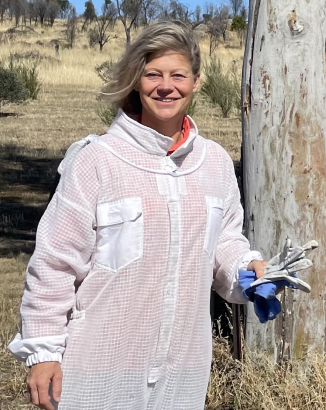
Katja McNeil is a geologist who came to Perth over 20 years ago where she met and married Greg. She recently left the resource industry and has been fascinated to learn more about WAs native flora by becoming a volunteer guide at Perth’s King Park and Botanic Gardens.
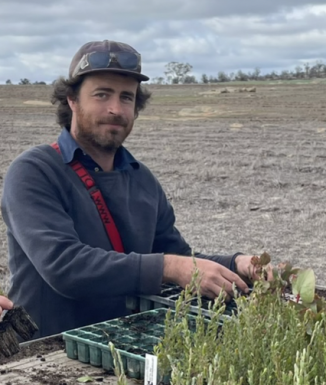
Aaron Main has a keen interest in the planting and honey project and has been supporting Greg since the early stages. He holds a Cert IV in Horticulture and is also a qualified plumber.
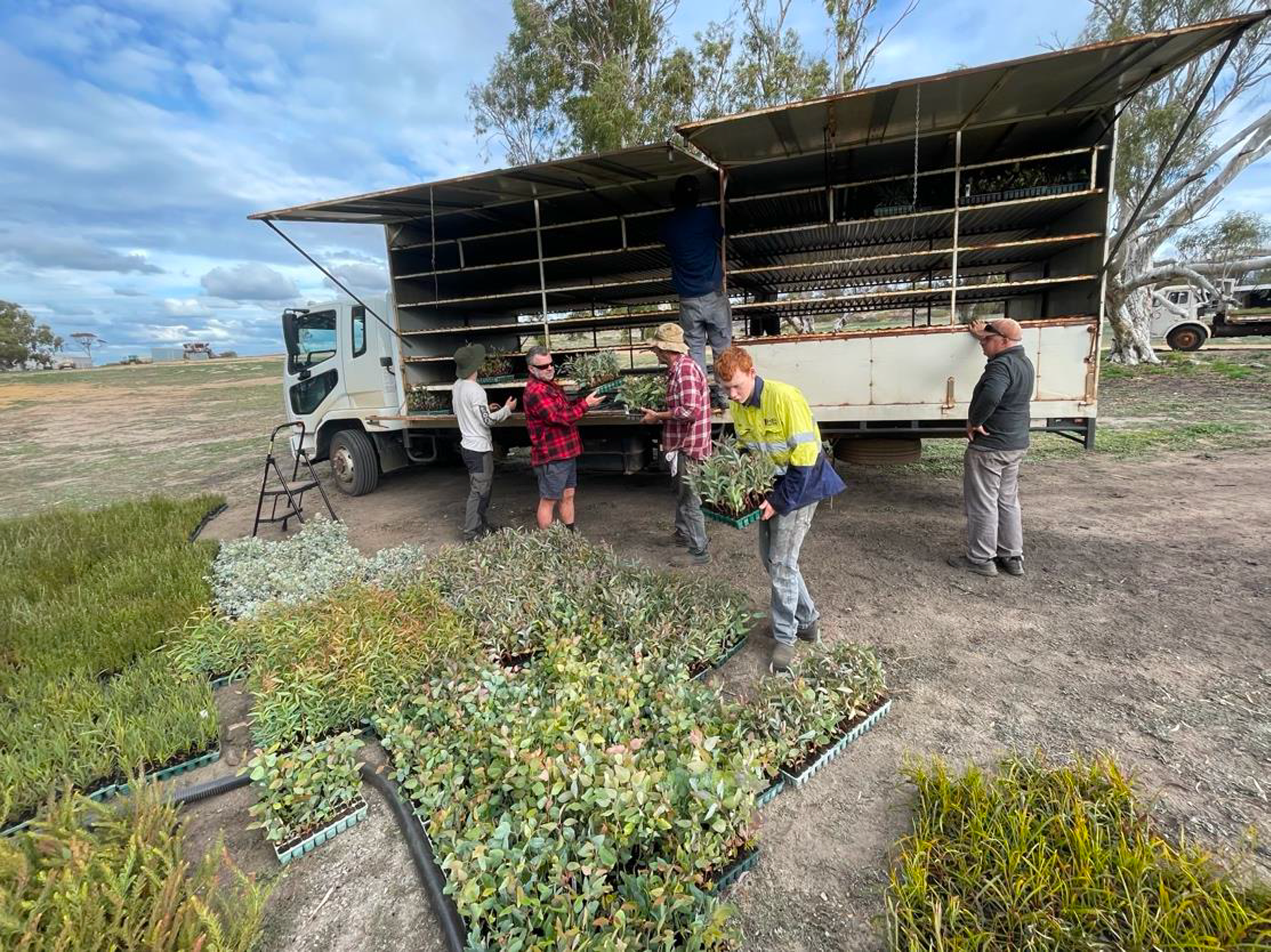
Supporting resilient ecosystems and native wildlife, including endangered species.
Know more about the fencing and initial direct seeding completed.
The main risks to the permanence period and their mitigations summarised.
Stay Informed and Get Inspired. Subscribe for the latest news, tips, and offers.
© 2025 Lemonade Valley Planting Project • All Rights Reserved
John Doe
Designation