How Lemonade Valley is Becoming a Blueprint for Regional Regeneration
This project is no longer just about the plants; it’s about creating a living, breathing blueprint for how we can collectively heal our landscapes.

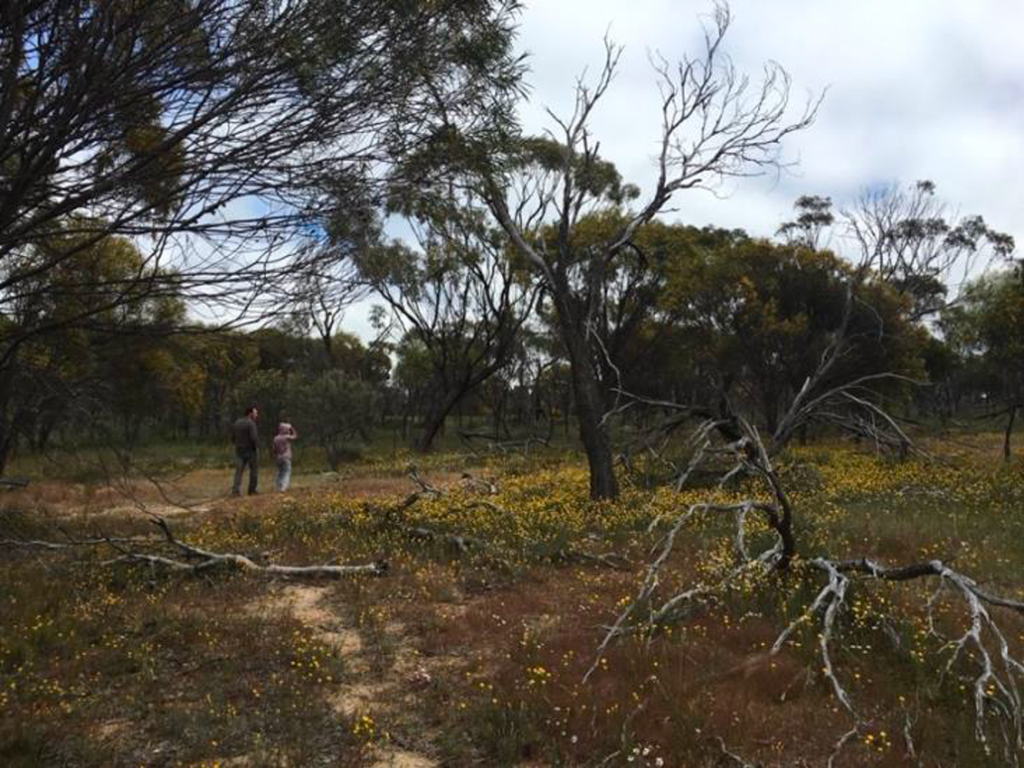
“Our vision is to populate the Lemonade Valley planting area with native, mixed tree and understory species such that it connects all native vegetation areas into a continuous, healthy ecosystem across the Title and (re)introduce native fauna”
Drone footage courtesy of DPIRD
The Lemonade Valley Planting Project is located in the Central Wheatbelt of Western Australia, some 3 hrs drive inland from Perth, just North of Mt Caroline in the shire of Kellerberrin. The Project is located within a Property Title measuring 311 ha, held by Gregory McNeil. The land has been part of the farm established by Greg’s grandfather in the 1920s after he came back from WWI.
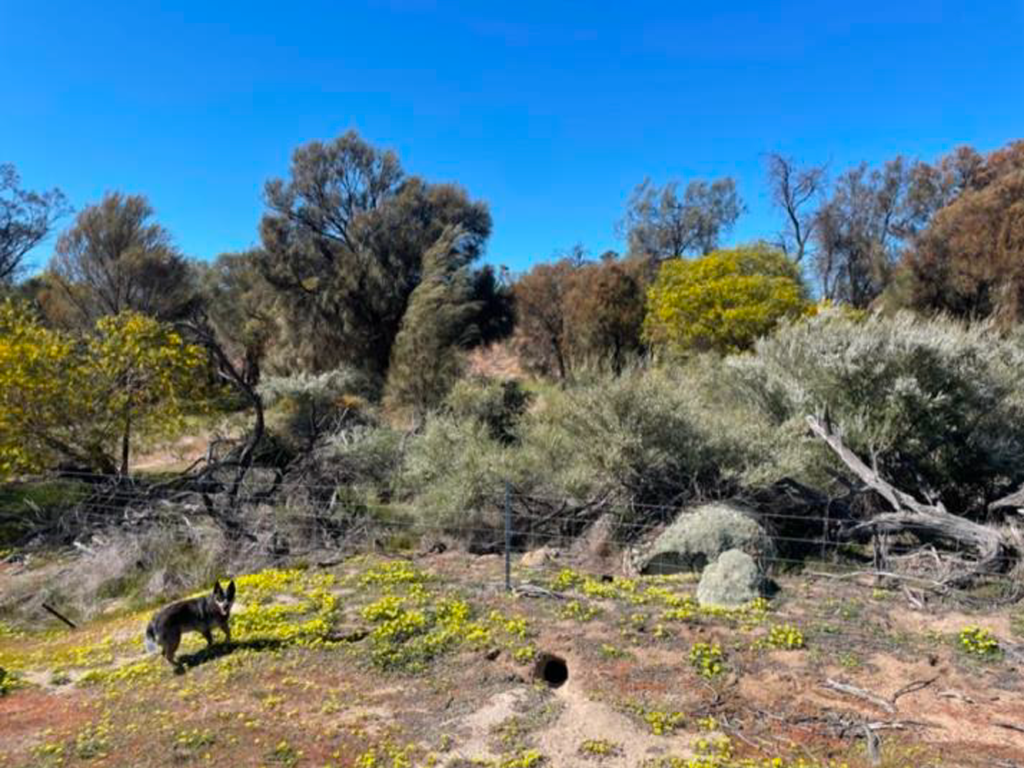
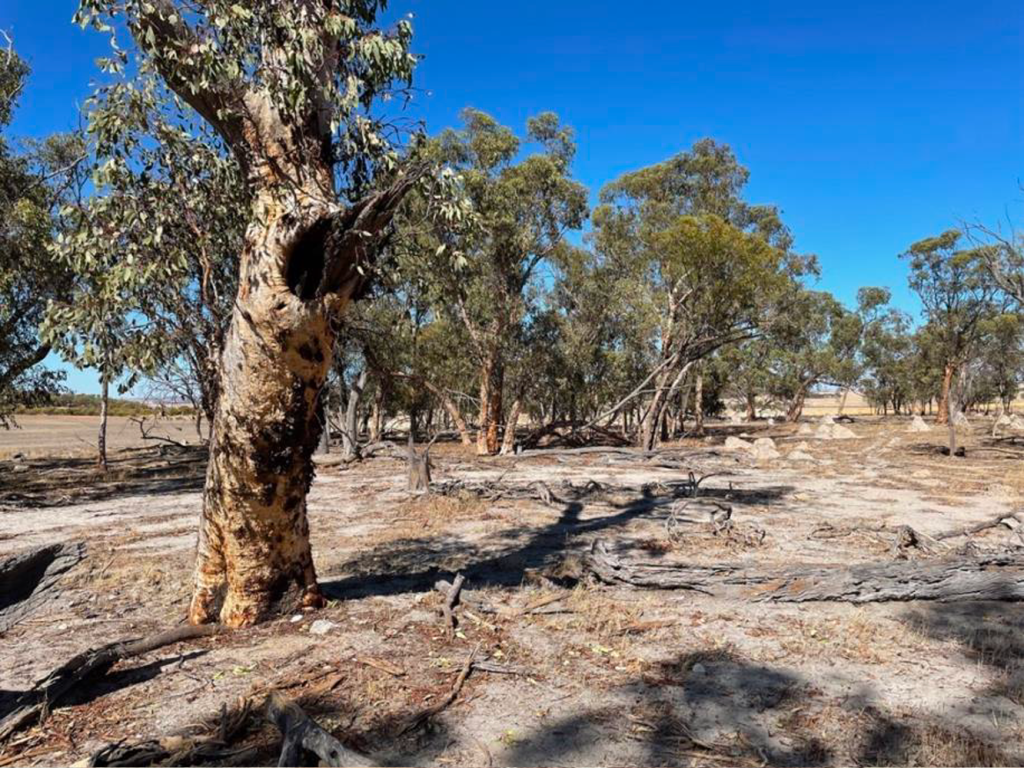
The landscape is a mix of remnant vegetation, granite outcrop and (poorer) agricultural land. Maps show the location of the Property and that it is located along a string of Crown nature reserves in the catchment area of the Salt River, a main fairway in the Central Wheatbelt drainage system.
We are proud to partner with these leading companies:
Project Type: Australian Carbon Credit Unit (ACCU) Scheme project registered under the Carbon Credits (Carbon Farming Initiative) Act 2011
Method: Carbon Credits (Carbon Farming Initiative) (Reforestation by Environmental or Mallee Plantings—FullCAM) Methodology Determination 2014
Project ID, Name: ERF193572, Lemonade Valley Planting Project
Date of Registration: 21/06/2024
Forward abatement estimate: 29,000 tCO2e (ACCUs)
Crediting period: 25 years
Permanence period: 100 years
Supporting resilient ecosystems and native wildlife, including endangered species.
Know more about the fencing and initial direct seeding completed.
The main risks to the permanence period and their mitigations summarised.
You’ve got questions, and we’re here to help. Below are some of the most frequently asked questions about our WA carbon farming. If you don’t find the information you’re looking for, our knowledgeable team is always available to provide personalised guidance and support.
The Lemonade Valley Planting Project is located in the Central Wheatbelt of Western Australia, some 3 hrs drive inland from Perth, just North of Mt Caroline in the shire of Kellerberrin. The planting area measures 200 ha and will connect some 100 ha of scattered, adjacent native bush into a total area of 311 ha that is covered by native vegetation.
Our vision is to populate the Lemonade Valley planting area with native, mixed tree and understory species such that it connects all native vegetation areas into a continuous, healthy ecosystem across the Title and (re)introduce native fauna. Our goal is to have a carbon farm based on mixed-species native trees and produce honey from those trees. If we can demonstrate that this is a viable economic model it may encourage other landholders to do the same. This could provide farmers with an alternative income stream from revegetated, poorer agricultural land that benefits productivity of adjacent prime agricultural land and at the same time increase the native vegetation and habitat.
No, the planting occurs on land that is generally more challenging to crop, typically because of the occurrence of rocky outcrops, loose lying rocks or very shallow (poor) soils. Native vegetation naturally grows in this environment without human intervention. We plan to water our seedlings in their initial summer to give them a good start, but subsequently only in case of exceptionally dry spells.
Our aim is to reverse many of the land degradation processes on the Property through revegetation. This has benefits in the following areas and some will cascade to adjacent agricultural land:
• Soil stability and soil health:
Deep-rooted plants bind soil, preventing erosion from wind and water and reducing the risk of landslides.
Native vegetation also regenerates soil microbiome health and promotes nutrient retention.
• Water quality and retention:
Vegetation filters sediments and pollutants, leading to cleaner waterways. It also increases the soil's ability to absorb water, improving infiltration and reducing runoff.
• Biodiversity and habitat:
Reintroducing native plants creates habitats and food sources for wildlife, supports the regeneration of ecosystems, and can restore wildlife corridors.
• Climate change mitigation:
Plants absorb carbon dioxide from the atmosphere, which helps to reduce carbon emissions.
We look forward to connect with you.
Dive deeper, discover new perspectives, and spark your curiosity. Our blog is your home for insights, stories, and ideas that connect, challenge, and inspire what you do next.
This project is no longer just about the plants; it’s about creating a living, breathing blueprint for how we can collectively heal our landscapes.
The answer lies beneath the surface. While non-native plants may offer quick greenery, they often create silent, sterile landscapes
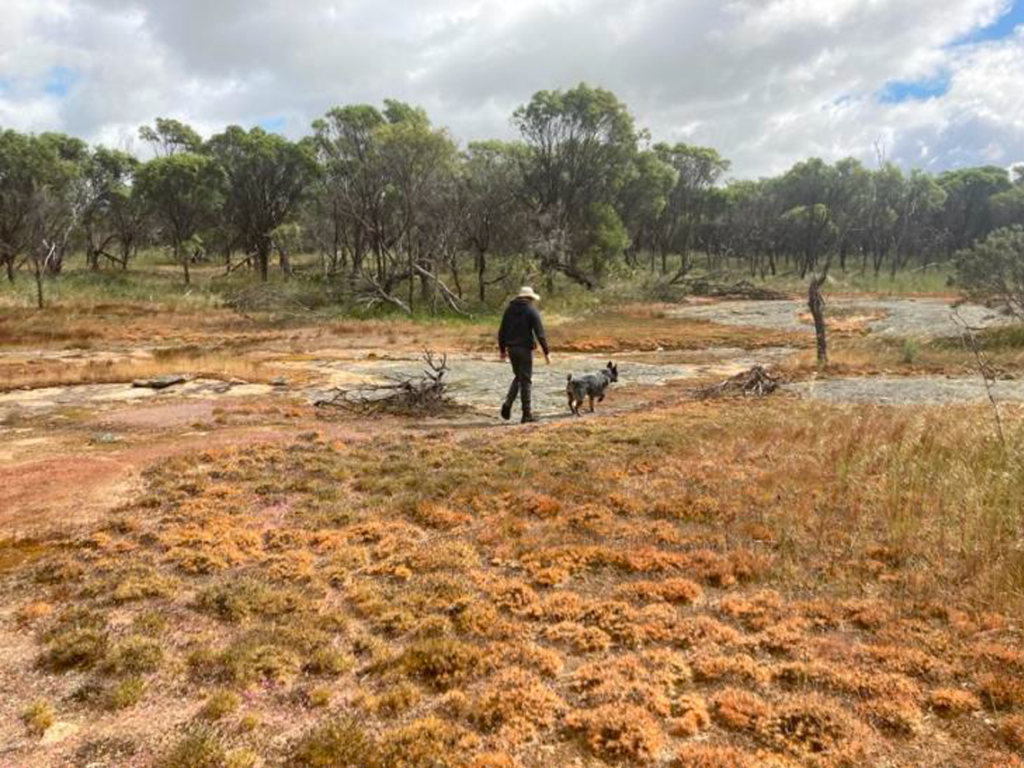
The Lemonade Valley Planting Project was born from a simple, powerful idea: to transform this neglected land into a thriving haven for native wildlife and a beautiful, accessible green space for people.

Our WA carbon farming solutions deliver trusted carbon farming services WA, supporting participation in a structured carbon farming program WA. Guided by expert carbon farming consultants WA, we help landowners enhance sustainability through effective carbon sequestration WA strategies.
Stay Informed and Get Inspired. Subscribe for the latest news, tips, and offers.
© 2025 Lemonade Valley Planting Project • All Rights Reserved